The Power of a Thoughtful Color Scheme in Design
Practical Applications Across Creative Projects
The versatility of a strong color scheme allows it to enhance nearly every facet of visual communication. Its applications are vast, each benefiting from the psychological and aesthetic weight that color carries.
- Branding and Logo Design: A consistent color palette forms the bedrock of brand identity, fostering recognition and trust across all touchpoints.
- Marketing and Social Media Graphics: Cohesive colors ensure your materials are instantly recognizable in crowded feeds and print collateral, strengthening campaign recall.
- Website and UI Design: In digital interfaces, color guides user experience (UX), highlights interactive elements, and creates visual comfort, making navigation intuitive.
- Editorial and Packaging Design: Color directs the reader’s journey in publications and can make a product leap off the shelf, communicating its essence at a glance.
- Presentations and Digital Products: A polished color scheme elevates professional presentations and digital assets, making them more engaging and memorable.
Integrating Typography with Your Color Palette
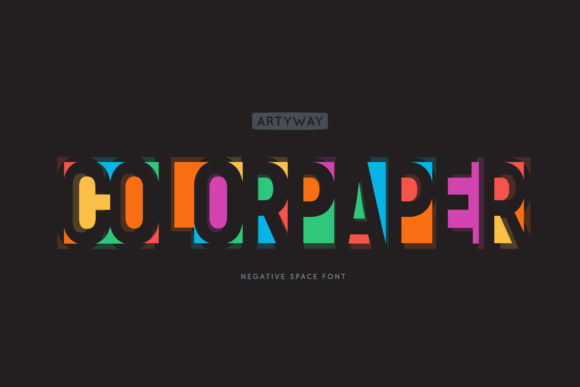
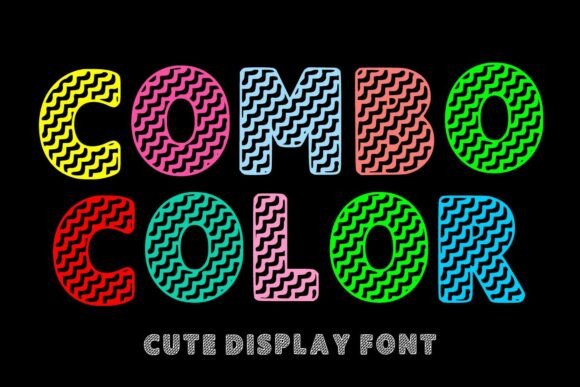
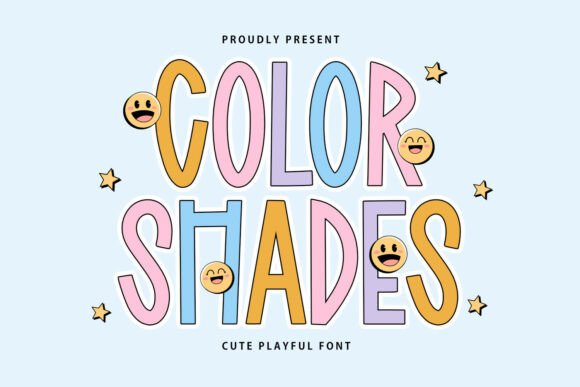
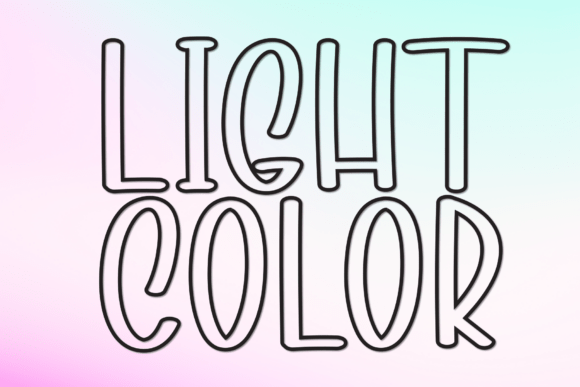
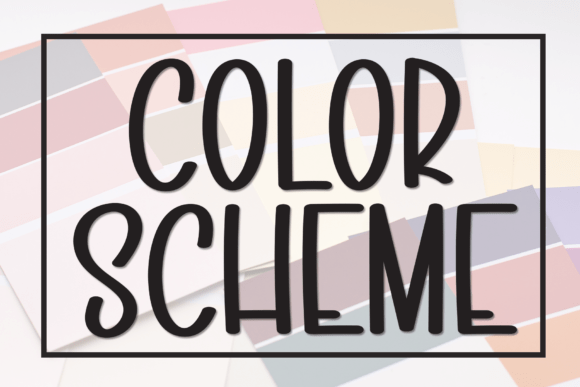
The relationship between color and typography is symbiotic. A typeface’s personality—whether it’s a bold, monoline aesthetic or a classic serif—must harmonize with your palette. Consider a font like Color Scheme, which features tall, condensed letterforms and a uniform stroke weight. Its modern, confident tone pairs exceptionally well with vibrant or high-contrast color schemes, while its slightly rounded terminals can soften a bold palette, adding a friendly, grounded feel. This combination ensures that headers, signage, and packaging not only communicate clearly but also possess a distinct and expressive visual rhythm.
Elevating Your Design Workflow
Quality creative assets are invaluable for a smooth design workflow. Tools and resources that offer encoded PUA characters, for instance, provide designers with complete access to glyphs and stylistic alternatives without needing additional software. This technical compatibility, paired with a thoughtful aesthetic, allows for greater creative freedom and efficiency. It empowers you to focus on composition, visual hierarchy, and the overall narrative of your design, rather than getting bogged down by technical limitations.